
Who I help
Hotels. Hotel Groups. Hotel Management Companies. Third-Party Management Companies. Family Businesses. Owner-Managed Businesses. High-Net-Worth Individuals.
How I help
Hotel Accounting. Financial Reporting. Commercial Insight. Process Improvement. Performance Management.
"I WANT OUR CLIENTS TO FOCUS ON RUNNING THEIR BUSINESS, NOT WORRYING ABOUT THE ADMIN."
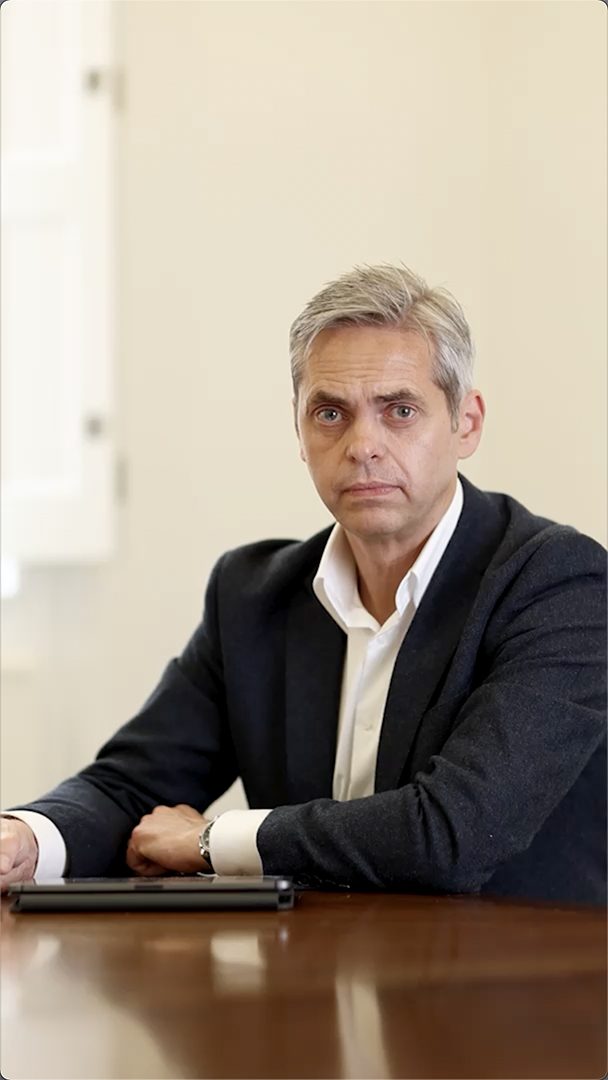
Simon Bachelor is Head of Hotel Accounting, based in our Glasgow office. Having worked in the industry from the age of 19 and studied hotel management before building his career in hotel finance, he brings an experienced career spent across both hotel finance and hotel operations alongside a deep understanding of how hospitality businesses operate from both sides of the equation.
After almost eight years working in hotel operations, Simon brings a particularly practical perspective to his role. He understands what owners, operators and management teams need from their finance function and, importantly, how financial information needs to support the day-to-day running and long-term success of a hotel.
As Head of Hotel Accounting, Simon is focused on growing the department, developing the team and continuing to evolve the service we provide to the sector. He is particularly focused on building stronger processes, improving efficiency and challenging established ways of working where there is an opportunity to do things better.
A partnership built on honesty
“For me, honesty and integrity are non-negotiable. I want to be completely upfront with clients about what we’re doing, what we’re seeing and where we think there are opportunities to improve. I see the relationship as a genuine collaboration. It shouldn’t feel like we’re working against each other. We should have the same objective and be working together towards the best outcome for the business.
That approach was particularly important when I was pitching for a client with a portfolio of hotels at my previous company. I joined the development team because I felt it was important that the ownership team understood exactly who would be managing their hotels and, more importantly, that we understood their business. Taking the time to understand their operation and build that relationship helped create the confidence needed to win the work. For me, that’s what a good client relationship should be about, understanding the business, being honest about what it needs and working together to achieve it.”
When their success is our success
“The most satisfying part of working with clients is seeing them succeed. Ultimately, their success is our success. Everything we do as a team should contribute to the performance of their business. I’ve seen that first-hand with a client who was unable to meet its repayment covenants. They entrusted their hotel portfolio to me and my team, and within 18 months we were able to demonstrate a 240% uplift in EBITDA through strong commercial gains and tighter controls across the middle of the account.
Following that first year, the client asked me to lead their annual bank review and demonstrate how we would bring the hotels’ performance in line with the requirements of the business and the bank’s expectations around debt servicing. That’s the kind of outcome I find really rewarding. It’s not just about producing the accounts. It’s about understanding what the numbers are telling us, identifying where the opportunity is and helping the business turn that into better performance.”
More than just the numbers
“There’s a perception that hotel finance people are simply crunching numbers. I don’t think that reflects what good hotel accounting should be. You can’t understand a hospitality business from the accounts alone. Hotels are operational businesses, and the finance function needs to understand what is happening on the ground. Having spent a significant part of my career in operations, I know the pressures hotel managers and owners are dealing with every day.
That operational experience has given me a much greater understanding and empathy for our clients. It means I can look at the numbers in the context of how the hotel actually operates and bring other areas of the business into the conversation rather than treating hotel accounts as something that sits in a silo. For me, it’s about providing a service that is commercially useful, not simply technically correct.”
Making hotel accounting work harder
“One of my priorities at AAB is to continue developing the Hotel Accounting team and the service we provide. There are always opportunities to make things more efficient, improve processes and challenge the way things have traditionally been done. I want the team to understand why we do things in a particular way and, just as importantly, to feel that they have the opportunity to challenge it. If there is a better way of doing something, I want us to find it.
That’s also about building a strong team. I put a lot of value on having great relationships with the people around me and creating an environment where we can be completely honest with one another. I’m straightforward by nature, no waffle, but I think you can be direct while still being personable. The opportunity to grow the business and build a great team that can drive that growth is one of the things I’m most excited about.”
Working with technology, not against it
“I’m particularly interested in what AI is going to mean for our business and for hotel accounting. I’m already starting to explore what it can do, but I think there is much more potential. For me, it’s about working with AI rather than being afraid of it. There are opportunities to improve productivity, make our processes more efficient and ultimately improve the service we provide to clients.
The important thing is making sure technology works for our clients and us. If we can automate more of the right things, our team has more time to focus on the areas where their experience and judgement can make the biggest difference.”

- Hotel Accounting
USALI in Hotel Accounting: What is new in Edition 12?
Last week marked the publication of the 12th edition of the Uniform System of Accounts for…
- Audit & Assurance
- Business Advisory
- Corporate Finance
- Corporate Tax
- Hotel Accounting
- Office of the CFO
- Payroll & Employment
- Private Client
- Restructuring & Recovery
- VAT & Customs
2023 Business Unit Year In Review
Oxford recently released their word of the year for 2023 and it was “rizz”. If we…

- Hotel Accounting
Ten benefits of hotel accounting
While outsourcing hotel accounting can sometimes be viewed negatively—due to concerns about loss of control, dependency…