
Who I help
Fast-growing and scaling businesses. Financial services. Technology. Mission-driven and not-for-profit organisations. Businesses operating internationally, particularly across the UK and US.
How I help
Fractional finance leadership. Management accounts and cashflow. Payroll and compliance. Board and investor reporting. Finance process and systems improvement.
“NEVER DO SOMETHING JUST BECAUSE THAT’S HOW IT’S ALWAYS BEEN DONE.”
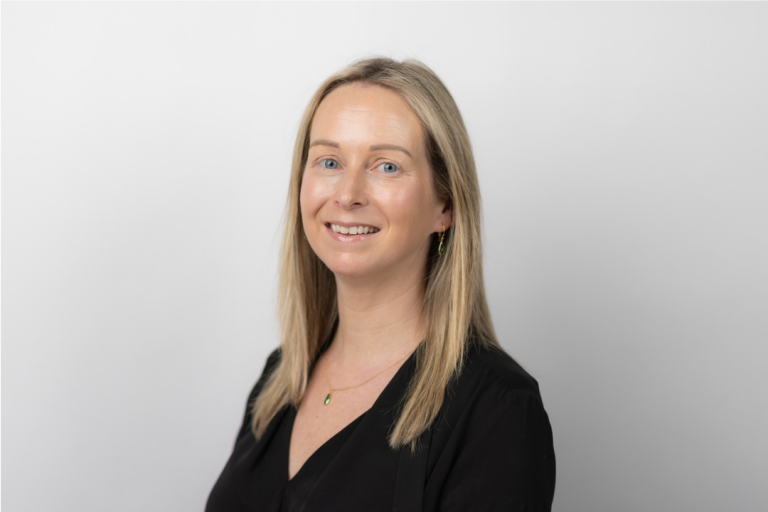
Ella Angus is FinOps Lead at AAB, with over 10 years’ experience spanning transactional finance, management reporting, commercial finance and finance management, Ella works across several partners at once, embedding herself in each business to understand what it’s trying to achieve and making sure the finance function, processes and technology can support it as it grows. She’s known for being equally comfortable getting into the detail of a reconciliation and talking strategy with a CEO, and for genuinely believing that finance should be useful, not just technically correct.
Sectors/Support
Financial Services. Technology. Not-for-Profit. UK & US Businesses.
No Two Weeks Alike
No two weeks are exactly the same, which is one of the things I enjoy about FinOps. I work across several partners, so I might be reviewing management accounts and cashflow, working through payroll or compliance, improving a finance process, supporting a board or investor reporting pack, or helping a leadership team understand what the numbers are actually telling them. A big part of my role is also looking beyond the immediate finance requirements, understanding what a business is trying to achieve and making sure the finance function, processes and tech stack can support it as it grows.
Beyond Just the Numbers
I started my career in finance at a junior level and worked my way through different roles across accounting, management reporting, commercial finance and finance management. Over time, I realised the part I enjoyed most wasn’t just producing the numbers; it was understanding the business behind them, solving problems and improving how finance works. Moving into FinOps gave me the opportunity to do much more of that, while working across completely different businesses and sectors.
From Transactional Finance to Strategic FinOps
I’ve worked in the finance sector for over 10 years, from transactional finance through to finance management and strategic FinOps, which means I understand both the detail and the bigger picture. I’m comfortable getting into the numbers when needed, but equally comfortable working with CEOs, COOs and senior teams on cashflow, reporting, planning, processes and decision-making. I think that combination is particularly useful in growing businesses, where finance needs to be both hands-on and commercial.
A Useful Answer, Not Just a Correct One
One of the biggest lessons I’ve learnt is that a technically correct finance answer isn’t always a useful finance answer. You must understand the business, the people using the information, and what decision they’re trying to make. That has changed how I approach everything from reporting to forecasting; I try to make finance genuinely useful, rather than producing something simply because finance has always produced it.
Understanding Before Changing Anything
The one thing I do to build a strong relationship with a new client is spend time understanding how their business actually works, and what leadership is looking for from a strong finance team, before trying to change anything. Every business has different priorities, pressures and ways of working, and building trust means understanding those first, rather than arriving with a predetermined idea of what their finance function should look like.
One of my strongest partner relationships started with me supporting the business two days a week. As the business grew and the relationship developed, they increased my involvement to three days a week. What made it work was becoming part of the business rather than operating as an external finance resource, understanding their priorities, being proactive about what needed improving, and building enough trust that the leadership team could rely on me to take ownership of finance.
Making Finance Useful
The most satisfying aspect of working with clients is seeing something I’ve implemented make someone’s job easier or help them make a better decision. That could be improving a reporting pack, solving a complicated finance issue, or putting a process in place that removes hours of manual work. I particularly enjoy getting finance to the point where it becomes useful to people outside the finance team. What stands out most about being part of both my team and the wider AAB organisation is being able to combine the agility and hands-on nature with the depth of expertise available across the wider AAB organisation; we work with businesses where things move quickly and unusual questions come up regularly, so having access to specialists across a much wider range of areas gives us the opportunity to provide much more rounded support.
Fixing the Process, Not Just the Number
A recent example that stands out involved a partner whose revenue had been consistently over-reported because of the way underlying data was being treated. I worked with their analytics team to understand where the issue was coming from, corrected the historical reporting and introduced additional checks to prevent it happening again. The important part wasn’t just correcting the number; it was fixing the process behind it. The greatest compliment I’ve received was being told that the finance team we had built was the strongest team they had worked with, which was particularly meaningful because it wasn’t about one piece of work, it reflected the relationship, processes and team we had built around the business.
Building for Where the Business Is Heading
FinOps often sits between what a business needs today and what it is going to need six or twelve months from now. The challenge is building enough structure and control to support growth without creating unnecessary processes. I approach that by understanding where the business is heading first, then making improvements that solve an immediate problem but can also scale with it. A common misconception about the profession is that finance is just about reporting what has already happened; good finance should be forward-looking, and the real value comes from using the numbers to understand the business, identify problems early and help people make better decisions.
My top strengths are understanding businesses quickly, spotting where something can be improved and then actually getting that improvement implemented. I’m also very comfortable moving between detail and strategy, and I’m naturally very process-driven; if something is unnecessarily manual, unclear or dependent on one person, I want to fix it. Looking ahead, automation and AI within finance are probably the areas I’m most interested in, and I’m keen to see how better integrations, automation and AI can remove more of the repetitive work, giving finance teams more time to understand the numbers and work with the business rather than simply producing them.

- Corporate Tax
Ireland’s 2027 Budget and the UK Autumn Budget: What Cross-Border Businesses Should Watch
Ireland’s Budget 2027 is behind us and, while it may not have delivered everything on the…
- Corporate Tax
6 must knows for multinationals forming a company in Ireland
Entering the Irish market, in particular as a gateway to Europe, has long been an attractive…
Ireland’s 2027 Budget: What it means for your business
Ireland’s 2027 Budget, Simon Harris’s first as Minister for Finance, has been delivered. Pitched as a…